Even a well-built ERP can run into e-invoicing issues if the connection behind it is not set up correctly. That is the part many organisations underestimate. Connecting finance software to InvoiceNow is not simply a matter of adding an API key. The ERP must create the right data, an accredited service must route it correctly, and each document has to meet Singapore’s technical and tax requirements.
This matters more as GST InvoiceNow adoption expands. From 1 April 2026, businesses applying for voluntary GST registration must comply, while remaining GST-registered organisations will come onboard progressively from April 2028 to April 2031. InvoiceNow is Singapore’s nationwide e-invoicing system, built on the international Peppol framework.
Before building a Peppol API in Singapore into an existing finance stack, businesses should examine the full transaction journey, not only the connection itself.
Is Your ERP Ready For Peppol? The Integration Checks You Shouldn’t Skip
-
An API is the bridge, not the whole e-invoicing system.
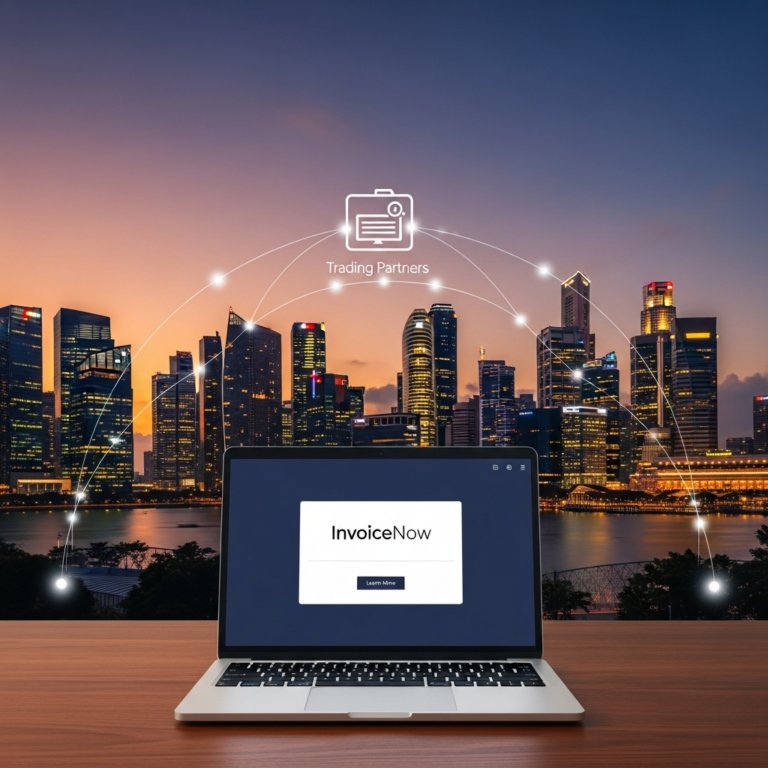
There is no single universal endpoint that every ERP calls directly. For an in-house enterprise setup, the usual route is through an IMDA-accredited Access Point. It handles registration, routing and document exchange across the Peppol network. Your ERP creates invoice data, the integration sends it to the provider, and the provider delivers it to the recipient’s system. IMDA advises enterprises using their own solutions to work with an accredited Access Point for InvoiceNow connectivity.
-
Check the source data before discussing integration code.
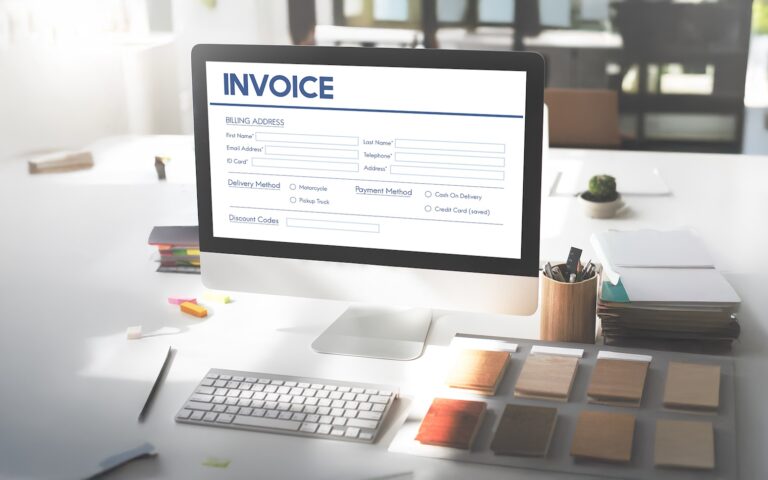
A major technical risk often sits inside the existing system. Invoice numbers, buyer identifiers, GST details, currency, payment information, line items, totals and credit-note references must be stored consistently. Singapore uses PINT-SG as the base data format for the GST InvoiceNow Requirement. If key fields are missing, kept in free-text boxes or generated differently across business units, mapping becomes harder. A reliable Peppol-ready ERP in Singapore always starts with structured master data.
-
Map internal fields to PINT-SG deliberately.
A connector must transform the organisation’s schema into the required electronic invoice structure. PINT-SG defines business terms, permitted values and validation rules, while InvoiceNow transactions use structured XML. Developers should create documented field-to-field mappings rather than ad hoc conversions. Tax categories, dates, identifiers, rounding logic and references deserve particular attention. A small mapping mistake can cause rejection or create financially incorrect information.
-
InvoiceNow compliance involves more than customer delivery.
Under the GST InvoiceNow Requirement, qualifying businesses must submit invoice data to IRAS through InvoiceNow-Ready Solutions. In general, this covers information linked to standard-rated, zero-rated and exempt supplies and purchases reported in GST returns. IRAS also sets submission deadlines tied to the relevant GST return. Architecture should therefore account for both business-to-business delivery and the required tax-data flow. A GST InvoiceNow-ready ERP must support correct extraction, not merely electronic sending.
-
Peppol identity and routing belong in onboarding.
A Singapore business is registered using its UEN and receives a Peppol ID. That identifier helps determine where an electronic document should be delivered. Singapore uses a centralised Service Metadata Publisher model, and participants can be found through the SG Peppol Directory. Customer and supplier records should therefore store Peppol IDs where relevant. Treating identity as an afterthought can create avoidable manual checks during live invoicing.
-
Build validation before transmission, not after failure.
Good integration design catches errors inside the finance workflow before a document reaches the Access Point. Mandatory fields, GST calculations, code values, duplicate invoice numbers and references can all be checked automatically. IMDA also provides technical specifications and validation resources. For finance teams, this means fewer rejected documents; for IT teams, it makes troubleshooting easier because faults are found closer to their source.
-
Plan for status tracking, retries and exceptions.
A successful API call does not always mean the business process is complete. Teams need visibility into whether a document was accepted, rejected, retried or requires correction. The integration should keep message IDs, timestamps, error details and processing states, while preventing duplicates during retries. This operational layer matters for high-volume environments, where manual follow-up can quickly remove the efficiency gained through automation.
-
Security should cover the surrounding systems too.
Invoice data contains commercially sensitive information, so the review should include access controls, credentials, encryption, audit logs, retention and who can alter integration settings. IMDA accreditation provides an important baseline for Access Point providers, but each company still needs to assess its own ERP, middleware and permissions. At Soda in Mind, we treat these projects as part of a wider digital transformation effort: the aim is to create a dependable process that finance and technology teams can govern together.
-
Test real business scenarios before production.
A useful test plan goes beyond one standard sales invoice. Include credit notes, foreign currencies, discounts, unusual tax treatments, missing customer information, duplicate submissions and receiving workflows. Confirm how the system behaves when the other party is not yet reachable through the Peppol network. Both finance and IT need to be involved in testing because valid technical data does not always guarantee the right financial result.
Conclusion:
Connecting an ERP to InvoiceNow is ultimately a data and process project. Strong implementations begin with clean finance information, the right Access Point, careful PINT-SG mapping, clear exception handling and full workflow testing.
Soda in Mind, an IMDA-accredited Peppol Access Point, provides ERP integration support for companies moving to InvoiceNow. Our platform also offers an API for developers building or extending enterprise systems. Planning a Peppol API in Singapore? We can help assess your ERP structure, integration approach and compliance requirements from the outset. Get in touch with us today.