A single invoice can trigger several manual tasks, including supplier verification, system entry, approval routing, follow-ups, corrections and filing. Multiply that routine across dozens of bills and a simple finance task becomes a quiet drain on time.
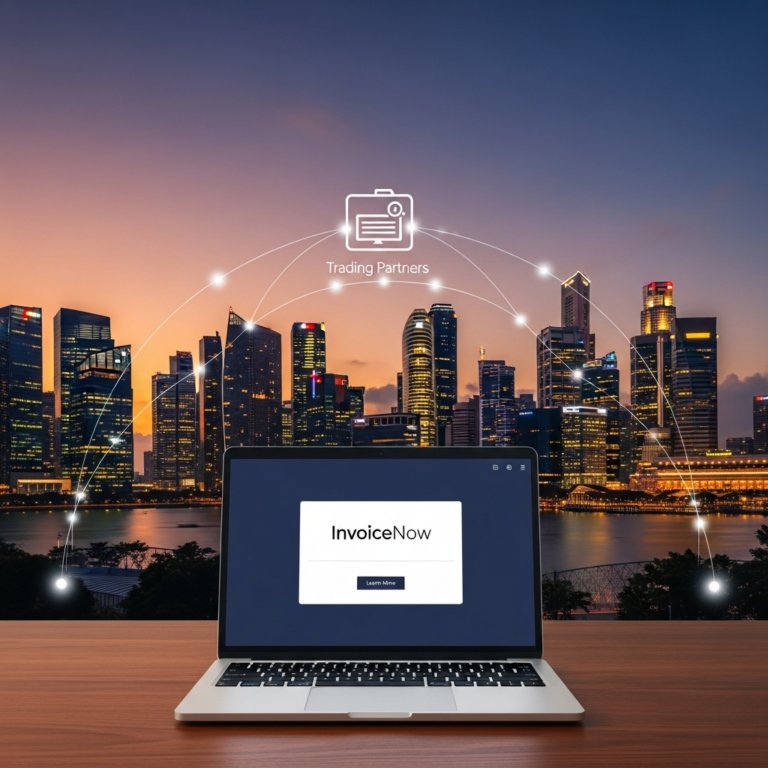
For Singapore SMEs, the issue is becoming more important as e-invoicing expands. InvoiceNow, Singapore’s nationwide network based on the Peppol standard, allows businesses to exchange structured digital invoices, while GST InvoiceNow requirements are being introduced progressively. IRAS says the model can reduce manual processing and reconciliation, lower error rates and support shorter payment cycles.
The purpose of invoice processing automation software is not merely to remove typing. When set up well, it moves invoices smoothly from receipt and validation through approval and accounting, while people focus on cases that require human judgement.
From Inbox To Approval: How Singapore SMEs Can Automate Invoice Processing
-
Capture data without re-keying every field.
A useful system can collect incoming bills from approved channels, read key fields such as supplier name, invoice number, date, tax amount and total, then prepare that information for the finance platform. This removes repeated copying from PDFs or emails and cuts the risk of transposition mistakes that can affect reconciliation, payment or GST records.
-
Check information before it reaches the approval queue.
Automation can apply rules at the point of entry. For example, it can flag a missing purchase order, duplicate reference, unexpected tax treatment, incorrect total or supplier detail that does not match the master record. The team sees the problem when the document enters the workflow, making correction faster and giving approvers cleaner information.
-
Route each bill to the right person automatically.
Manual forwarding creates delays because staff need to remember who owns a purchase, which manager has authority and whether a second approval is needed above a certain value. Workflow rules can route documents according to department, project, entity, amount or supplier category. Escalation can trigger when an item sits untouched beyond an agreed period, reducing email chasing.
-
Create a clearer audit trail.
A well-designed process records when a document arrived, what checks were performed, who approved it, what changed and when it moved to the next stage. That history is useful during reviews, GST preparation and supplier queries. A secure invoice workflow should also control user access, limit unauthorised changes and preserve supporting records, rather than relying on scattered inboxes or local folders.
-
Connect invoicing with accounting instead of creating another silo.
Automation delivers more value when approved data moves into the accounting or ERP environment without another round of manual entry. For Singapore businesses preparing for InvoiceNow, this is especially relevant because structured data can support cleaner downstream processing. IRAS requires affected GST-registered businesses to use InvoiceNow-Ready solutions and, depending on their setup, connect through an accredited provider.
-
Manage exceptions instead of forcing every bill through one path.
Not every document should be processed identically. A credit note, recurring utility bill, project expense and high-value supplier invoice may need different checks. Good configuration separates routine cases from unusual ones. Staff can then spend their attention on disputed charges, incomplete supporting documents or policy exceptions rather than reviewing every transaction with the same level of effort.
-
Improve visibility over liabilities and bottlenecks.
When documents sit in inboxes, finance teams may know less about upcoming obligations than they think. A central workflow can show what has been received, what is waiting for approval, what is blocked and what is ready for posting. That visibility supports cash planning and exposes recurring delays, such as slow approvals or incomplete vendor submissions.
-
Build controls around digital exchange, not just speed.
Faster processing is useful only when the flow remains trustworthy. A secure invoice approach should include permissions, validation, traceable actions and reliable transmission. InvoiceNow uses the Peppol framework for structured exchange, and IRAS describes the network as a way to send and receive invoices digitally while supporting tax compliance.
-
Start with the process problem before buying more technology.
Many SMEs already have accounting tools, shared drives, email rules or approval features, but they may not work together. Before adding another platform, map where staff still copy data, wait for responses, correct errors or perform duplicate checks. At Soda in Mind, we approach this through practical advisory, workflow design and technology implementation. Our broader work focuses on helping SMEs streamline business functions, and we are also an IMDA-accredited InvoiceNow Access Point.
A short automation health check can be a sensible first step: identify repetitive hand-offs, measure exception volumes, review system connections and decide which stages deserve automation first. That keeps digital transformation and operations focused on measurable improvement.
Conclusion:
Reducing manual invoice work is not about removing finance teams from the process. The goal is to cut repetitive handling and give teams more time for supplier matters, cash planning and decisions that need experience.
For Singapore SMEs, the strongest approach is to connect capture, checking, approvals, accounting and e-invoicing into one practical workflow. If your current process still depends on repeated data entry, email chasing or disconnected systems, we can help you map the gaps and design a more efficient path forward. Speak with us today.