
The fastest way to create a finance bottleneck is to automate the wrong task first. A company may buy software for payment runs while invoices still arrive through scattered inboxes, approvals sit in chat threads, and supplier details are checked by hand. The result is a newer system wrapped around an old problem.
For Singapore SMEs, the timing matters. Singapore’s GST InvoiceNow Requirement is being introduced in phases. From 1 April 2026, it applies to all businesses applying for new voluntary GST registration, regardless of incorporation date or business structure. The requirement will progressively extend to all GST-registered businesses by April 2031. This direction makes clean, connected finance processes increasingly important, not only for compliance but also for better visibility over outgoing money.
That order matters because every automated stage depends on the quality of the data and decisions before it. The sensible starting point is therefore not “automate everything”. It is to identify the steps that consume the most time, create avoidable errors, slow approval, or weaken cash flow planning. That is also how I approach digital transformation and operations at Soda in Mind: start with the workflow, locate the friction, then apply technology where it can remove measurable work.
Where Should Singapore SMEs Begin Their Accounts Payable Automation Journey:
-
Invoice capture and data entry
Start where the workload first enters the finance function. Supplier invoices may arrive as PDFs, emails, portal downloads, or structured e-invoices. Re-keying invoice numbers, dates, GST amounts, purchase references and totals creates unnecessary handling.
Automated capture can extract these fields and push them into the accounting environment for review. The value is practical: fewer typing mistakes, faster processing, and less time spent moving information from one screen to another. For firms receiving high invoice volumes, this is usually the clearest early win.
-
Duplicate and basic validation checks
The next priority should be controls that stop obvious problems before they reach approval. A system can flag repeated invoice numbers, missing supplier records, unusual totals, incomplete tax fields, or documents that fall outside agreed rules.
This matters because a duplicate payment is harder to recover than a duplicate bill is to stop. Rule-based screening also exposes business gaps that manual routines can hide, such as inconsistent vendor naming, weak purchase references, or unclear ownership of exceptions.
-
Purchase order and receipt matching
Where purchase orders are used, matching should move higher on the automation list. Instead of asking staff to compare a bill against a PO and delivery record line by line, the platform can compare quantities, prices and references automatically.
Straightforward matches can proceed, while exceptions go to a person. That separation is important. Automation should remove predictable checking, not human judgement. It also gives finance teams a clearer way to investigate price differences, partial deliveries, or unapproved purchases without reviewing every transaction equally.
-
Approval routing
Approval delays often have little to do with accounting. They happen because a document reaches the wrong person, waits in an inbox, or needs repeated follow-up.
Rules can route invoices by value, department, project, entity, or cost centre, then issue reminders when action is overdue. A visible audit trail also makes it easier to see who approved what and when. For SMEs with lean teams, this can shorten turnaround without adding another layer of administration.
-
InvoiceNow connectivity and system hand-offs
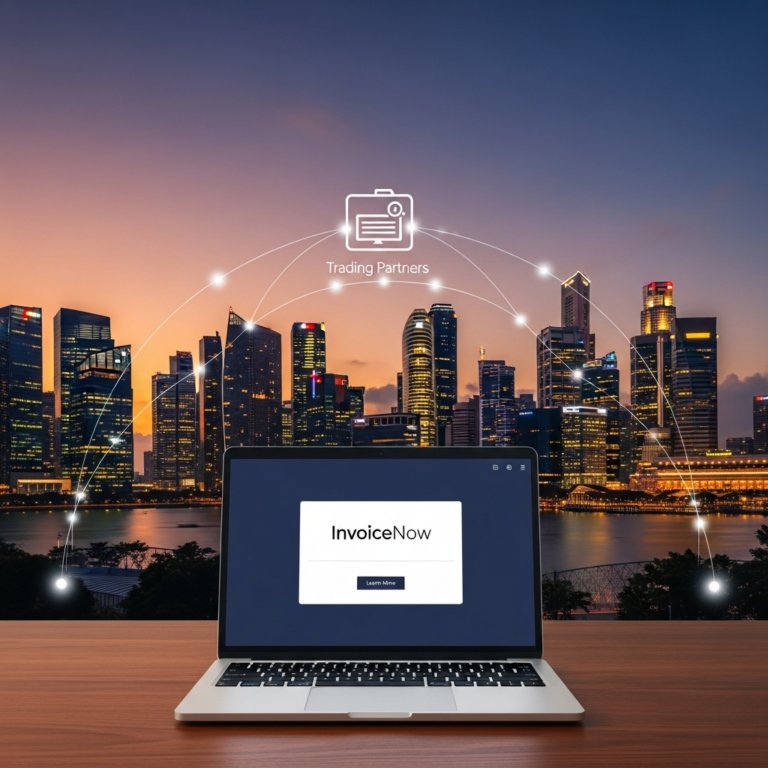
Singapore businesses should also examine how information moves between suppliers, accounting tools and e-invoicing infrastructure. InvoiceNow is designed to exchange structured records digitally, reducing the need to depend on PDFs and manual re-entry. IRAS and IMDA note that e-invoicing can reduce processing effort and errors while helping to shorten payment cycles.
At Soda in Mind, we provide an IMDA-accredited Peppol Access Point, alongside ERP integration and API support. Our wider positioning also centres on helping organisations navigate digital transformation and build more effective technology-led processes. I therefore see e-invoicing as part of the operating model rather than a stand-alone compliance project.
-
Payment scheduling
Once an invoice is approved, scheduling can be automated around due dates, agreed supplier terms and internal controls. What should not be blindly automated is the decision to release every payment at the earliest possible moment.
Finance leaders still need oversight of liquidity, disputes, priority suppliers and upcoming obligations. Used properly, scheduled execution supports stronger cash flow planning because approved liabilities are visible before money leaves the bank. It also reduces last-minute payment runs and avoidable late fees.
-
Reconciliation and exception reporting
The final early-stage priority is closing the loop. Payment data should feed back into the finance system so settled invoices are marked correctly and unmatched items are surfaced quickly.
Instead of manually searching for differences, teams can focus on exceptions such as rejected transfers, short payments, credits or unmatched balances. These reports can reveal recurring business gaps, including weak supplier master data or inconsistent coding. This is where digital transformation and operations become measurable: fewer unresolved items, faster month-end work and better information for management.
Conclusion:
Accounts payable automation should follow the natural workflow: capture invoices, validate details, match records, secure approvals, process payments and reconcile transactions. That sequence reduces friction without forcing a small finance team into an oversized transformation project.
At Soda in Mind, we help businesses connect e-invoicing, ERP environments and Peppol infrastructure in a way that fits existing processes. Our InvoiceNow service is IMDA-accredited and supported by ISO 27001:2022 information-security standards. If your current payable process still depends on re-keying, inbox chasing or disconnected finance tools, get in touch with us. We can help you map the workflow, identify the highest-value automation point, and build a practical path from manual processing to a more connected finance operation.