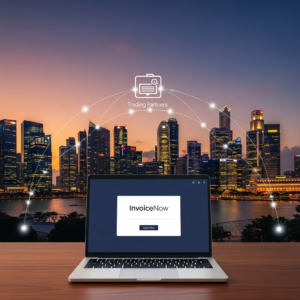

Singapore’s InvoiceNow mandate is moving toward a phased rollout that will change how GST-registered businesses send invoice data to the tax authority. For many SMEs, the key question is not whether this is coming, but when their business will be required to comply and what needs to happen before then. The good news is that businesses have time to prepare, but the timeline is important because each phase brings new obligations and operational changes. Understanding the rollout now can help companies avoid last-minute disruption, reduce manual work, and plan for a smoother transition to digital invoicing. In this guide, we break down the expected phases from 2026 to 2031, explain who is likely to fall into each group, and highlight practical steps SMEs should take today.
What the InvoiceNow mandate means for GST-registered businesses
InvoiceNow is Singapore’s nationwide e-invoicing network that allows invoice data to be transmitted directly between systems in a structured digital format. Under the mandate, selected GST-registered businesses will need to report invoice information through the network rather than relying only on manual processes.
This shift supports faster processing, better data accuracy, and improved compliance. For SMEs, it also means reviewing internal workflows, accounting software, and invoice approval processes so they are ready before their required rollout date.
Why the mandate matters now
- It reduces manual invoice handling and rekeying errors.
- It improves visibility over transactions and reporting.
- It helps businesses modernise finance processes ahead of compliance deadlines.
- It creates a clearer path toward digital tax administration in Singapore.
InvoiceNow timeline from 2026 to 2031
The rollout is expected to happen in phases, with different groups of GST-registered businesses entering the mandate at different times. While the exact details may be refined over time, the broad direction is a staged implementation that gives businesses time to prepare.
Early phase: larger or more prepared businesses
The first group is generally expected to include businesses that are better positioned to adopt e-invoicing quickly, such as larger GST-registered entities or organisations with more developed digital finance systems. These businesses are likely to be required first because they can implement new workflows with less disruption.
For SMEs, this phase matters because it sets the standard for the rest of the market. Suppliers, customers, and finance teams may begin requesting InvoiceNow-ready documents earlier than expected.
Middle phase: broader SME adoption
The next phase is expected to expand the mandate to more GST-registered businesses, including many SMEs. This is typically where businesses with simpler finance setups begin to feel the impact most strongly, especially if they still rely on manual invoice generation or legacy systems.
SMEs in this phase should focus on system readiness, staff training, and integration with an approved Access Point. Waiting until the deadline approaches may leave too little time for testing and process changes.
Later phase: wider mandatory coverage by 2031
By the final phase, the mandate is expected to cover a much wider group of GST-registered businesses. This means InvoiceNow will become a standard operating requirement for more companies across Singapore, including those that may not have prioritised digital invoicing before.
Businesses that have not yet prepared should use the earlier phases as a signal to start planning now. By the time the final stage arrives, the expectation will be that invoice reporting through digital channels is part of normal compliance practice.
What SMEs should do now
Even if a business is not in the first rollout group, preparation should begin early. The transition is not only about compliance; it is also about making invoicing more efficient and less dependent on manual steps.
Practical preparation steps
- Review current invoicing and accounting workflows.
- Check whether existing software can support InvoiceNow requirements.
- Identify gaps in invoice data fields and approval processes.
- Train finance and operations teams on the new workflow.
- Plan integration with an approved Access Point well before the deadline.
SMEs should also speak with their vendors and customers to understand how invoice exchange may change. If counterparties are already preparing for InvoiceNow, businesses may need to move sooner than the formal mandate date.
How Sodainmind can help
Preparing for InvoiceNow is easier when businesses have the right partner in place. Sodainmind is an approved Access Point and can help companies in Singapore get ready for the shift to digital invoicing. From readiness planning to implementation support, the goal is to make the transition practical, compliant, and less stressful for SMEs.
With the right setup, businesses can reduce manual work, improve invoice accuracy, and build a more scalable finance process. Early preparation also gives teams time to test workflows, resolve issues, and avoid rushed changes when the mandate reaches their phase.
As the rollout progresses from 2026 to 2031, businesses that prepare early will be in a stronger position to comply with confidence. If you have questions about the InvoiceNow mandate or want to discuss your readiness journey, Sodainmind is here to help. Contact us at info@sodainmind.com for any queries and start your digitalisation journey with a trusted Access Point partner.