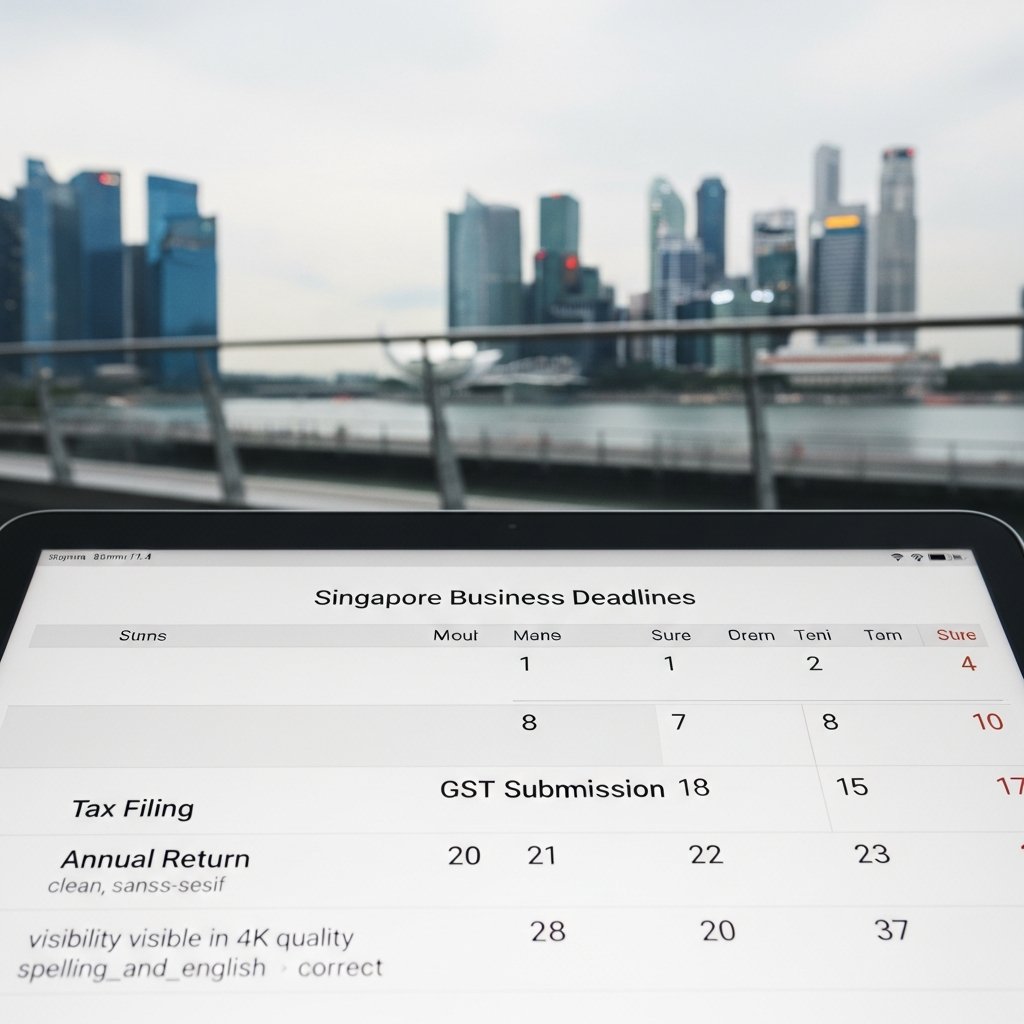
Running a business in Singapore means staying on top of several important compliance and regulatory deadlines throughout the year. From tax submissions to annual return filings, these dates ensure your business remains in good standing and avoids penalties. As Singapore continues its push towards digitalisation, understanding these milestones is crucial for entrepreneurs, SMEs, and larger enterprises alike. In this guide, we summarise the most important business dates that every Singapore company should keep in mind, along with some helpful tips for staying organised and compliant. Whether you’re just starting out or managing an established company, keeping track of these timelines will help you maintain smooth operations all year long.
Annual Filing and Compliance Timeline
Singapore-incorporated companies must comply with various deadlines set by regulatory bodies such as ACRA and IRAS. Missing these dates can result in fines or disrupted operations, so proper planning is essential.
Annual Return Filing with ACRA
Companies are required to file their Annual Return within a specific timeframe following their Annual General Meeting (AGM). This filing keeps the company’s information with ACRA up-to-date.
- Hold the AGM within six months after the financial year-end.
- File the Annual Return within seven months after the financial year-end.
- Exempt private companies may be eligible for simplified filing options.
Corporate Tax Deadlines
Tax submission deadlines are managed by IRAS, covering Estimated Chargeable Income (ECI) and Form C/C-S filings. Staying on top of these ensures accurate reporting and timely tax payment.
- ECI filing: Within three months from the end of the financial year.
- Corporate tax return: Due by 30 November each year if filing electronically.
- Tax payment: As per the Notice of Assessment issued by IRAS.
Goods and Services Tax (GST) Filing
For GST-registered businesses, consistent reporting is key. GST returns summarize all taxable transactions during the reporting period.
- File GST F5 returns quarterly—typically due one month after the end of the accounting quarter.
- Ensure accurate reporting of input and output taxes to avoid penalties.
Other Key Business Milestones
In addition to tax and compliance, other timelines affect business obligations such as employee contributions and licensing renewals.
- CPF Contributions: Due by the 14th of each month for all local employees.
- Licensing Renewals: Many industry-specific permits and licenses have fixed renewal periods—check these in advance to stay compliant.
- Financial Reporting: Companies must prepare and maintain financial statements in accordance with Singapore Financial Reporting Standards (SFRS).
Conclusion: Stay Compliant and Go Digital with Sodainmind
Compliance is more than meeting deadlines—it’s about building a sustainable and well-managed business foundation. As Singapore accelerates its digitalisation efforts, companies must also adapt their systems and processes to stay competitive. At Sodainmind, we’re an approved Access Point for InvoiceNow and committed to helping businesses streamline their digital workflows. Whether you’re preparing for your next filing season or looking to modernise your invoicing process, our team is ready to support your journey. Stay compliant, stay connected, and let’s shape the future of business together. For enquiries or assistance, reach out to us at info@sodainmind.com.