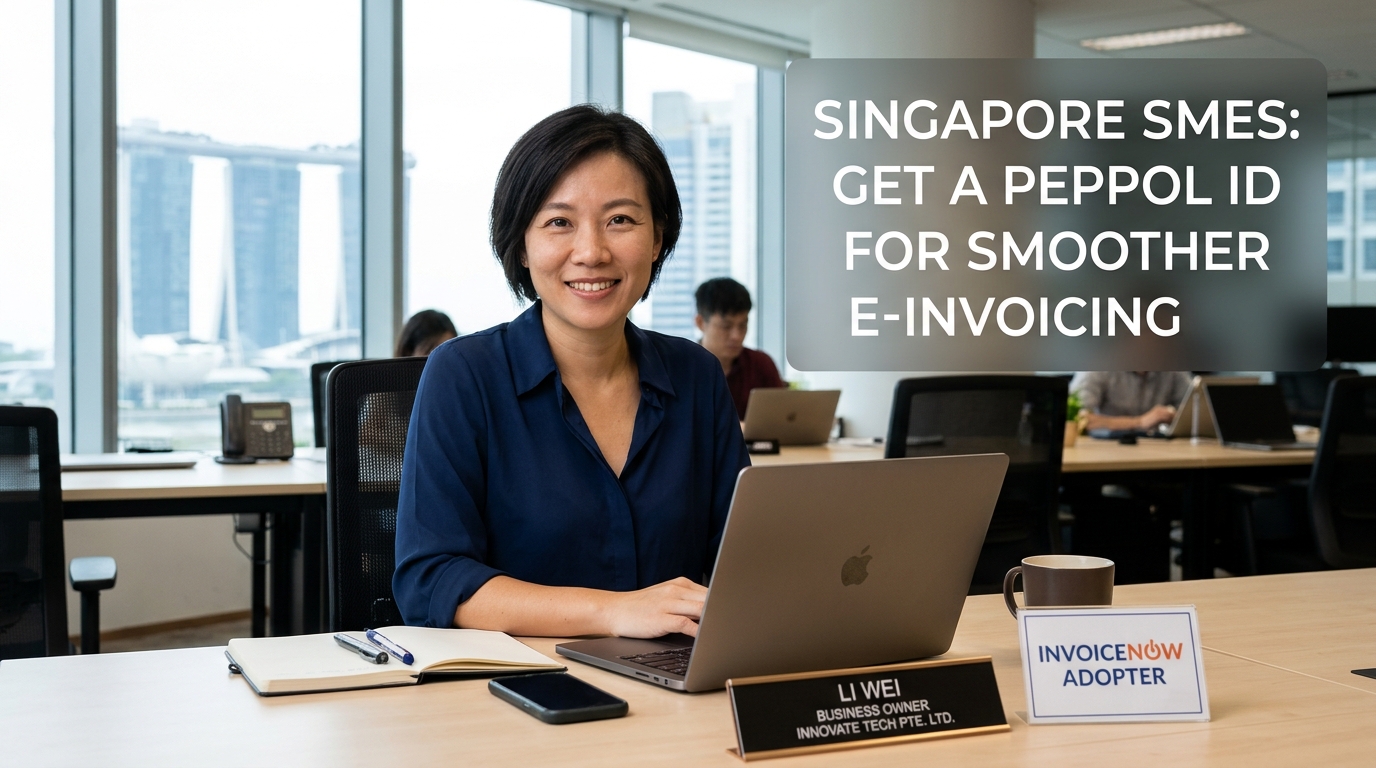
For Singapore SMEs, getting a Peppol ID is an important step toward smoother digital invoicing and better compliance with InvoiceNow requirements. A Peppol ID is the unique identifier that...
From April 2026, businesses applying for voluntary GST registration in Singapore need to pay close attention to the InvoiceNow requirement. What used to be a straightforward registration process now...
Singapore’s InvoiceNow mandate is moving toward a phased rollout that will change how GST-registered businesses send invoice data to the tax authority. For many SMEs, the key question is...
Hardening servers and cloud workloads starts with a clear security baseline. The CIS Controls v8 framework is a practical way to reduce risk by focusing on the most important...
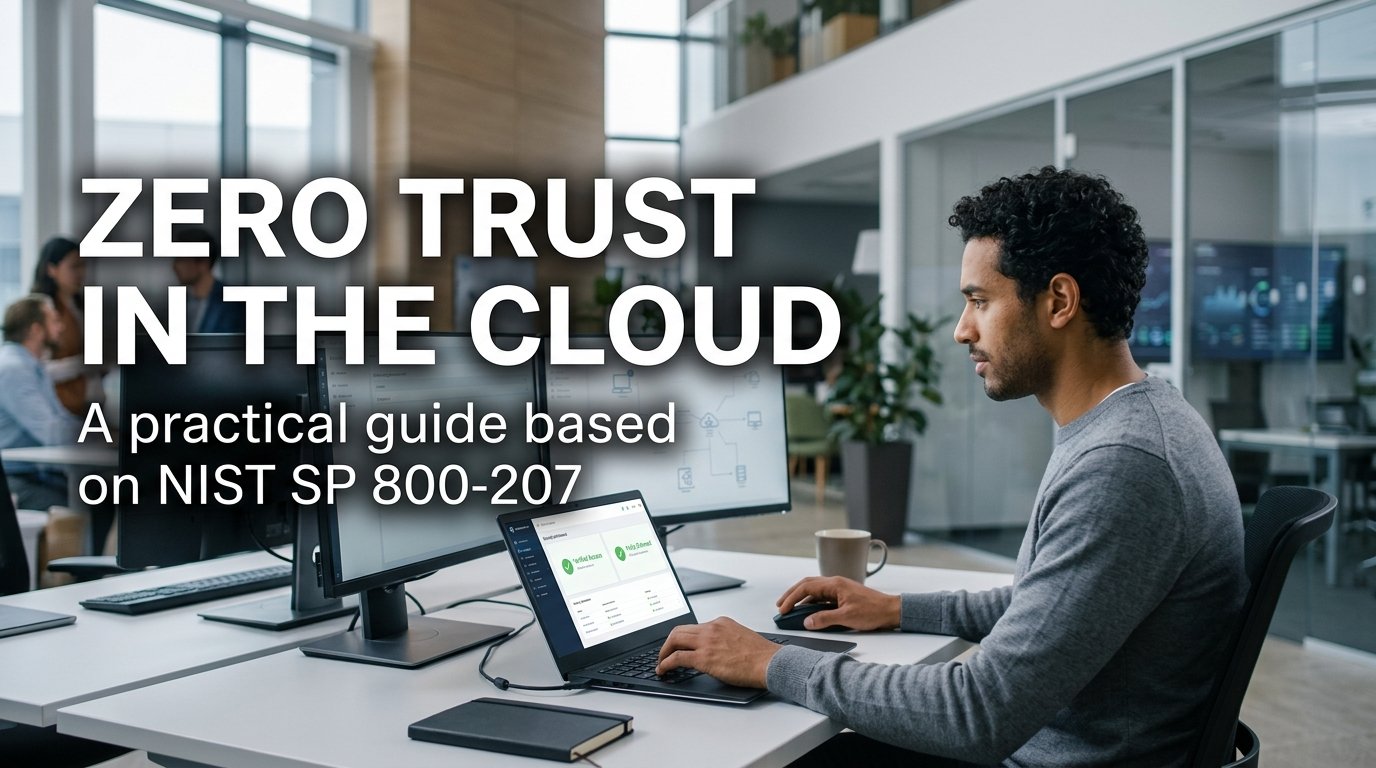
Zero trust has become a practical framework for securing modern cloud environments, especially as teams work across distributed systems, remote endpoints, and multiple applications. NIST SP 800-207 defines a...
Choosing the right compute tier can make a major difference in performance, cost, and operational simplicity. Bare metal, virtualization, and containers each solve different infrastructure needs, and the best...
Singapore’s digital invoicing landscape is moving toward faster, more accurate, and more secure exchange of invoice data. At the center of this shift is the 5-corner model, a framework...
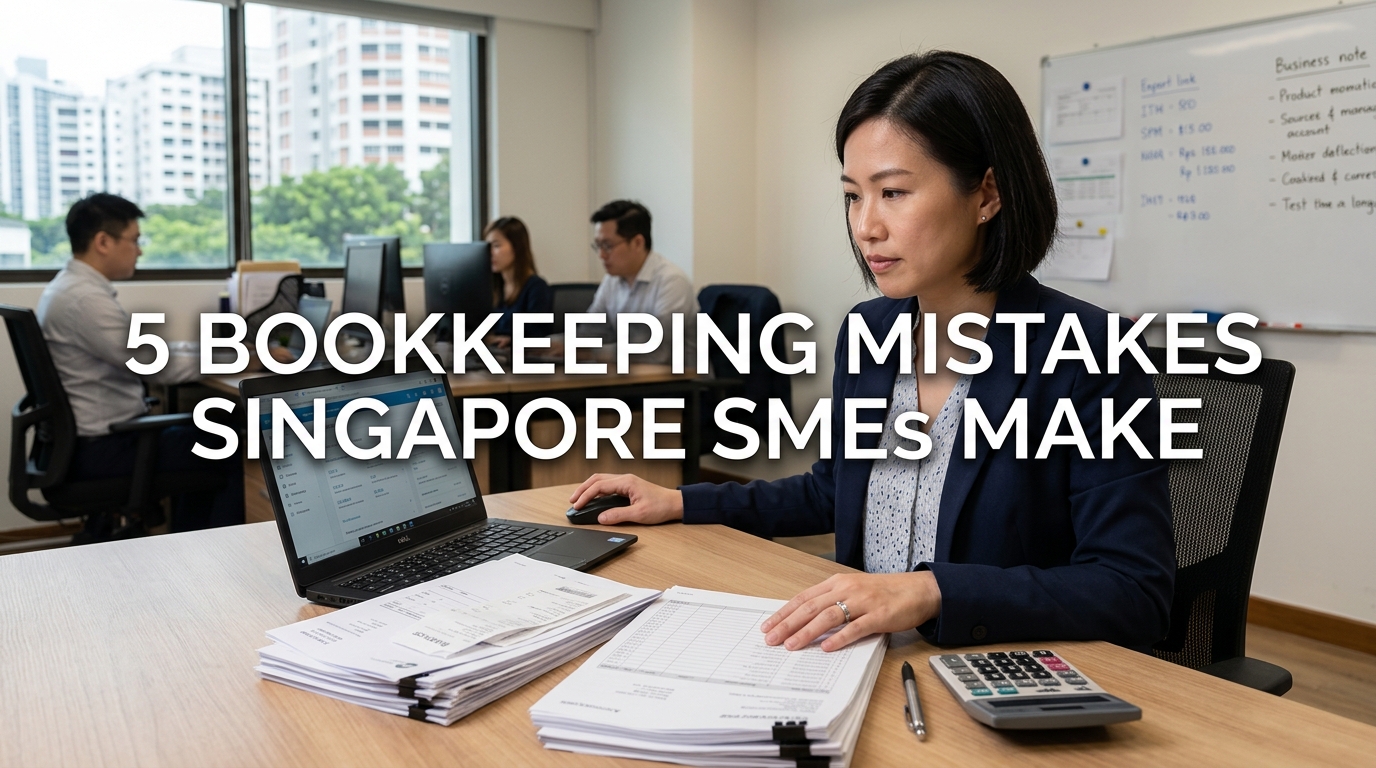
Good bookkeeping is the foundation of a healthy business. For Singapore SMEs, keeping records accurate and up to date is not just about compliance—it also helps owners make better...
Moving from manual invoices and PDF attachments to structured e-invoicing can make a big difference for businesses in Singapore. With InvoiceNow, companies can send and receive invoices in a...
As Singapore continues to move toward a fully digital business environment, many companies are reviewing how they exchange invoices and connect with trading partners. One important part of this...
 Murtuza Topiwalla