
Cash flow management continues to be one of the most critical aspects of running a successful SME. As we move into 2026, businesses must stay agile and proactive in handling their finances to adapt to evolving market conditions. Solid cash flow helps organisations weather uncertainties, invest in growth opportunities, and maintain operational stability. Understanding how to forecast, track, and optimise your cash effectively will be a key differentiator between thriving companies and those struggling to survive. This article outlines practical strategies that Singaporean SMEs can apply to strengthen financial health, helping ensure smoother operations and long-term sustainability.
Understand and Forecast Cash Flow
To manage cash effectively, SMEs must first develop a clear understanding of their income and expenditure timelines. A detailed forecast allows you to anticipate shortfalls and surpluses, leading to better planning.
Implement Data-Driven Forecasting
Leverage simple financial analysis tools or accounting software that provides visibility into inflows and outflows. Forecasts should be updated regularly to reflect real-time business activity and market trends.
- Review forecasts monthly or quarterly.
- Plan for seasonal fluctuations in demand.
- Incorporate anticipated expenses early.
Optimise Payment Cycles
Maintaining healthy payment terms with clients and suppliers plays a crucial role in sustaining cash flow. Effective communication and structured processes help balance incoming and outgoing payments.
Encourage Early Payments
Offer small discounts or incentives for early settlements to improve liquidity. This reduces reliance on external financing and mitigates late payment risks.
- Introduce automated reminders to clients.
- Negotiate flexible credit arrangements with suppliers.
- Track and categorise outstanding invoices.
Reduce Unnecessary Spending
Every dollar counts when it comes to managing cash in SMEs. Having strong visibility into expense categories helps decision-makers identify cost-saving opportunities.
Adopt Efficient Budget Control
Regularly compare budgeted versus actual expenses to stay on track. Look for non-essential costs that can be reduced or deferred without affecting operations.
- Implement zero-based budgeting for accuracy.
- Assess subscriptions and renewal contracts periodically.
- Encourage staff cost-awareness in purchases.
Leverage Technology for Better Efficiency
Digital tools can greatly streamline financial monitoring, payroll management, and reporting processes. For SMEs aiming to enhance cash management, automation helps ensure accuracy and saves valuable time.
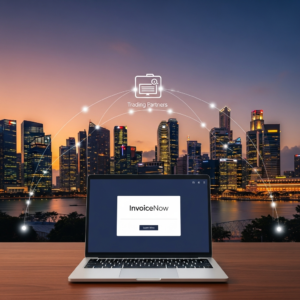
Adopt Digital Invoicing Solutions
Digital invoicing not only speeds up payment cycles but also enhances transparency and record-keeping. It’s a step forward in aligning with Singapore’s push toward a smarter business ecosystem.
- Use electronic invoicing to minimise delays.
- Ensure integration with accounting platforms.
- Monitor real-time payment statuses easily.
Conclusion
Effective cash flow management positions SMEs for resilience and growth in 2026. At Sodainmind, we are committed to supporting businesses in Singapore as they embrace digital transformation. As an approved Access Point for InvoiceNow, Sodainmind empowers companies to digitalise invoicing processes, improve efficiency, and gain better financial visibility. Our team is dedicated to helping SMEs strengthen their operations through modern, reliable, and scalable digital solutions. To learn more about how we can support your business on its digitalisation journey, contact us at info@sodainmind.com. Partner with us today and take confident steps toward a more efficient and future-ready business environment.