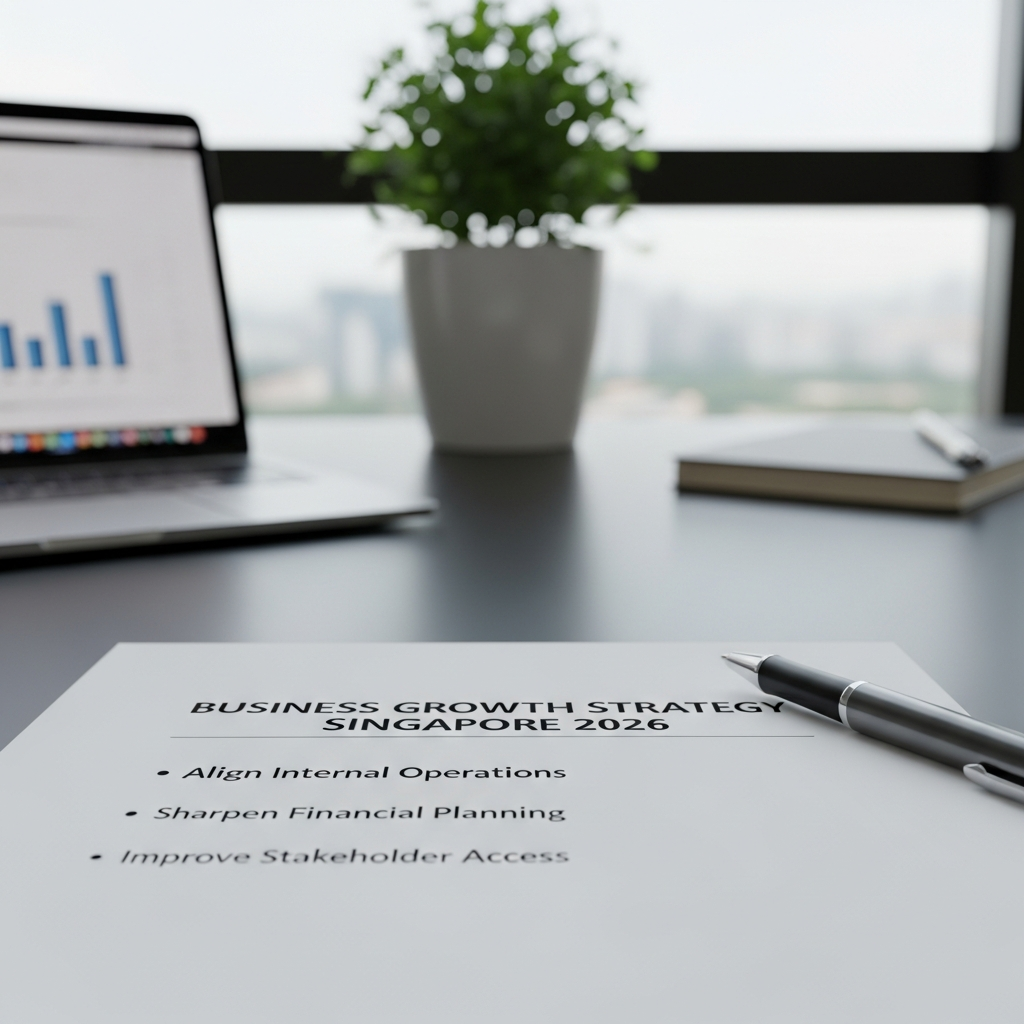
As 2026 approaches, businesses in Singapore are seeking new opportunities to grow smarter and stronger. A well-structured business growth strategy Singapore plan is crucial for staying competitive in an increasingly digital marketplace. This means aligning internal operations, sharpening financial planning, and improving access to stakeholders. By re-evaluating business practices, small and medium-sized enterprises (SMEs) can position themselves for sustained success. This article explores how companies can prepare, adapt, and thrive with a forward-looking approach that integrates efficiency, innovation, and resilience.
Strengthening the Foundation: Strategic Clarity and Vision
Every growth journey begins with clarity. Businesses must define their vision, goals, and measurable milestones for 2026. Having transparent objectives allows you to align teams and resources effectively.
Aligning Teams and Leadership
Inclusive leadership drives action. Ensure cross-department collaboration and communication so that everyone understands how their work supports overall goals.
- Identify top priorities for the year
- Develop clear metrics for tracking progress
- Encourage open communication across departments
Setting Realistic Growth Targets
Ambition is essential, but practicality ensures sustainability. Define achievable revenue, market, and efficiency targets based on data and performance analytics.
Optimising Financial Planning and Operations
Efficient financial management is the backbone of growth. Businesses in Singapore can enhance their performance through strategic budget allocation and digital financial tools.
Streamlining Cost Structures
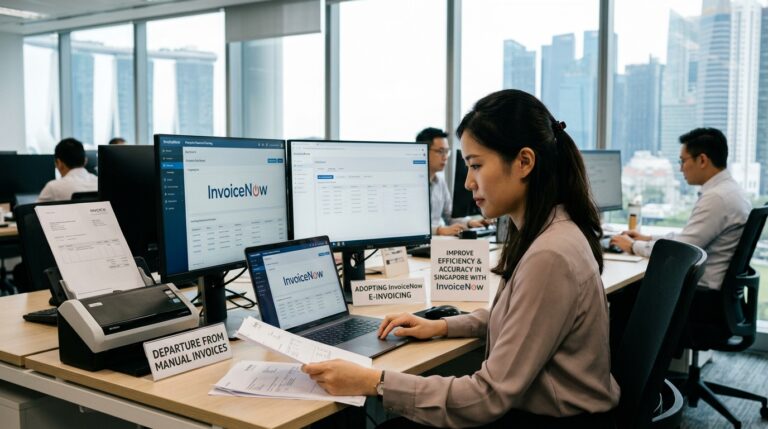
Regularly assess your cost base and identify areas where automation can improve productivity. SMEs adopting digital invoicing solutions can significantly reduce administrative burdens.
Leveraging Technology for Visibility
With real-time data dashboards, decision-makers gain deeper insights into cash flow and operations, enabling faster and better-informed business decisions.
- Implement digital accounting platforms
- Optimise invoices and procurement workflows
- Adopt data-driven forecasting tools
Enhancing Stakeholder Access and Engagement
In today’s ecosystem, stakeholder alignment plays a crucial role. From clients to suppliers, maintaining transparent communication fosters trust and collaboration.
Building Partnerships and Networks
Engage local business communities and leverage industry networks to identify collaboration opportunities that strengthen your reach.
Improving Communication Channels
Adopt scalable digital tools that improve communication within and outside of the company, ensuring key messages reach all parties efficiently.
- Digital collaboration platforms
- Regular performance reviews with stakeholders
- Open forums for innovation ideas
Adapting for a Sustainable Future
Sustainability is not optional – it is part of every effective business growth strategy. Integrating green initiatives and ethical business practices improve brand reputation and operational efficiency.
Embedding Sustainability Principles
Incorporate Environmental, Social, and Governance (ESG) factors into your 2026 roadmap to strengthen long-term resilience and appeal to conscious consumers.
Encouraging Innovation Culture
Create an environment where employees feel empowered to explore new ideas, technologies, and processes that align with business goals.
Conclusion
As businesses in Singapore look toward 2026, strengthening internal systems, aligning with stakeholders, and embracing digitalisation will be key to sustained success. At Sodainmind, we are proud to be an approved Access Point for InvoiceNow, supporting SMEs in their digital transformation journey. Our goal is to help your company operate efficiently, enhance visibility, and accelerate growth with the right digital tools. If you are ready to elevate your business strategy and modernise your operations, reach out to our team at info@sodainmind.com. Let’s work together to make 2026 your most successful year yet.