
The gig economy has transformed how people work and how businesses operate across the world. Instead of relying solely on full-time employees, more companies are turning to independent contractors and freelancers for specific projects or flexible work arrangements. This growing shift reflects a deep transformation in the global labor market. For workers, it offers autonomy, flexibility, and the ability to choose how and when they work. For companies, it means access to diverse talent pools and cost-effective solutions. The accelerated pace of digitalization has further fueled this expansion, enabling platforms and technologies that connect skilled professionals to businesses that need them.
Understanding the Gig Economy
The gig economy includes short-term contracts and freelance work, often mediated through digital platforms. Whether it’s independent designers, app-based drivers, or remote consultants, gig workers contribute to a rapidly evolving segment of the global workforce.
These roles are characterized by flexibility and independence rather than traditional employment structures. Workers can choose multiple gigs simultaneously, adjust workloads based on their capacity, and often set their rates according to skill and demand.
What Drives the Growth of the Gig Market
Multiple factors have contributed to the gig economy’s rise:
- Technological Advancements: Digital platforms make it easier to connect clients and contractors across borders.
- Changing Workforce Preferences: Many professionals now value flexibility and autonomy over fixed hours and long-term commitments.
- Business Agility: Companies can stay competitive by scaling their workforce on demand and accessing specialized skills quickly.
Economic and Social Impacts
The gig economy plays a significant role in promoting innovation and inclusive growth. It allows people from varied backgrounds to participate in the global economy. However, it also brings new challenges around job security, benefits, and fair pay. Governments and organizations are now examining frameworks to balance flexibility with protection for gig workers.
Companies increasingly rely on digital collaboration tools and performance monitoring systems to manage distributed freelance teams effectively.
The Future of the Gig Economy and Digital Collaboration
As businesses continue to embrace digital work environments, the gig economy is expected to expand further. Organizations that integrate advanced digital tools and agile management practices will benefit from increased productivity and innovation.
For professionals, upskilling and adaptability will be essential. The focus will not only be on delivering work but also on maintaining long-term client relationships and reputation within global marketplaces.
Conclusion: Supporting Digitalization with Sodainmind
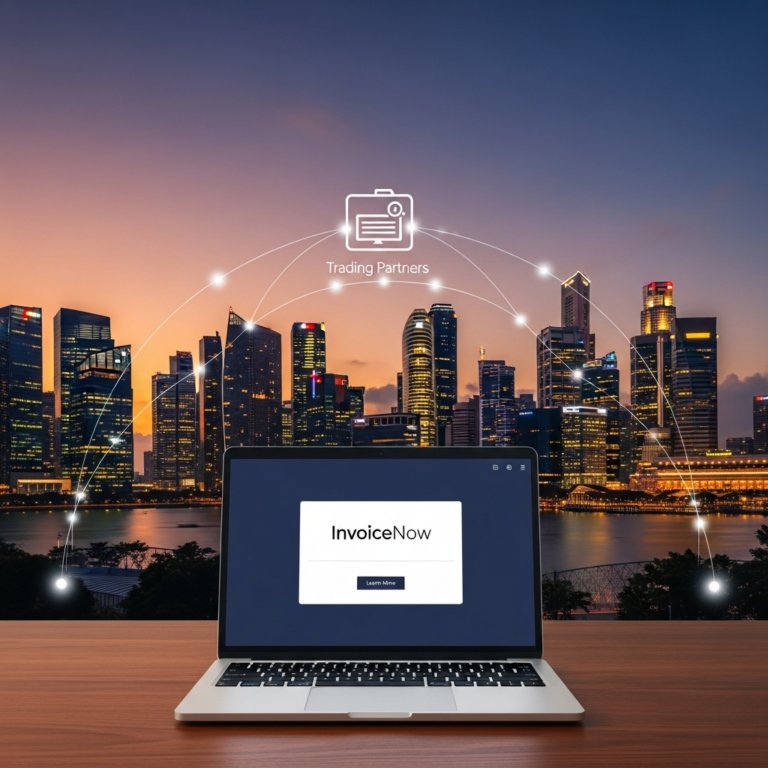
The growth of the gig economy highlights a major shift toward digitalization and flexible work structures. As more companies in Singapore look to innovate and adapt, Sodainmind is here to help with this transformation. As an approved Access Point for InvoiceNow, we are dedicated to assisting organizations in streamlining their invoicing, improving efficiency, and embracing the digital journey with confidence. Our expertise ensures businesses can operate seamlessly in this new economy. To explore how we can support your company’s digital transformation, reach out to us at info@sodainmind.com.